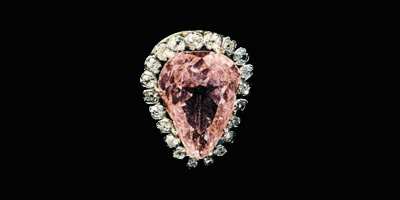
Conde Pink
The Condé Pink Diamond, also known as Le Grand Condé, is a pear-shaped pink diamond weighing 9.01 carats.

The Condé Pink Diamond, also known as Le Grand Condé, is a pear-shaped pink diamond weighing 9.01 carats.
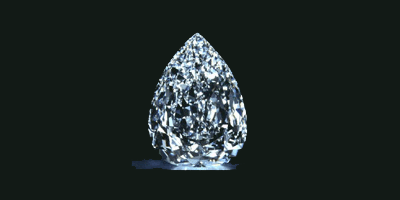
The Millennium Star diamond weighs 203.04 carats and is renowned for its exceptional color, clarity and extraordinary brilliance.
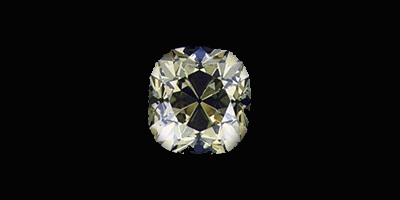
The De Beers Diamond is a large cushion-cut yellow diamond weighing 234.65 carats and is one of the world's largest famous faceted diamonds.

The De Young Red is a 5.03-carat round brilliant-cut red diamond and is one of the world's best-known natural red diamonds.
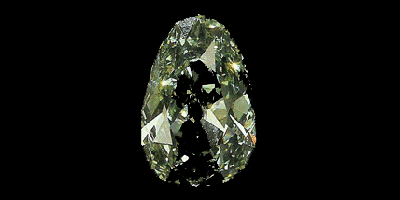
The Dresden Green Diamond is a rare natural green diamond weighing approximately 41 carats and is believed to have originated in India.
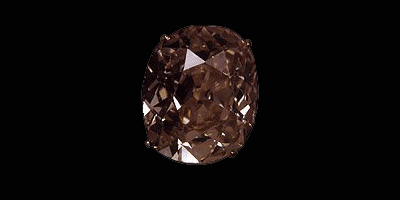
The Eureka Diamond weighs 10.73 carats and is a cushion-shaped brilliant historically recognized as the first diamond discovered in South Africa.
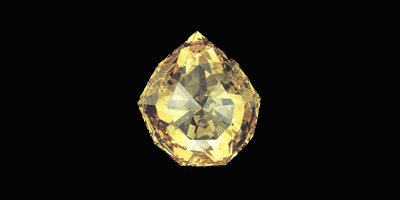
The Florentine Diamond is a legendary lost diamond of Indian origin. It was described as light yellow with slight green overtones and weighed 137.27 carats.
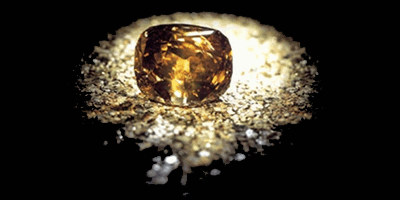
The Golden Jubilee Diamond weighs an extraordinary 545.67 carats and is one of the largest cut and faceted diamonds in the world.
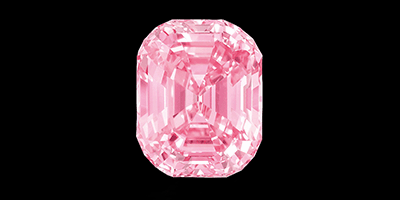
The Graff Pink is a rare 24.78-carat pink diamond celebrated for its extraordinary color, size and exceptional rarity.
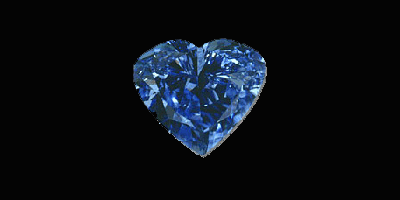
The Heart of Eternity is a 27.64-carat heart-shaped diamond distinguished by its remarkable Fancy Vivid Blue color.
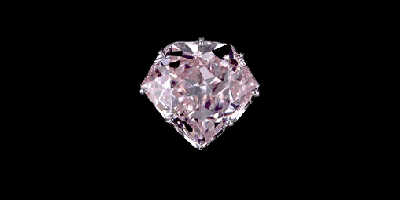
The Hortensia Diamond weighs approximately 20 carats and is distinguished by its pale orangey-pink color and unusual historic cut.
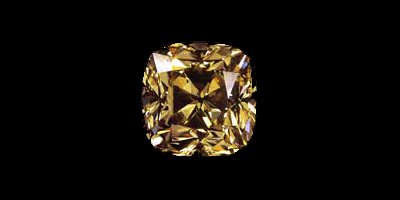
The Red Cross Diamond is a canary-yellow, cushion-shaped diamond weighing 205.07 carats with a remarkable place in diamond history.
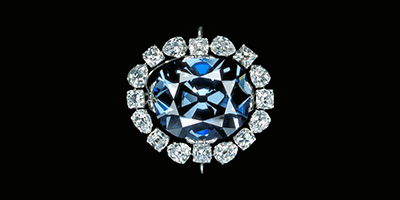
The Hope Diamond, historically connected with Le Bijou du Roi, is a famous deep-blue diamond weighing 45.52 carats.
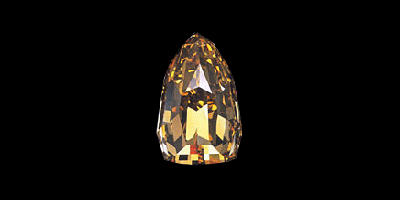
The Incomparable is a famous brownish-yellow diamond weighing 407.48 carats and ranks among the largest polished diamonds ever produced.
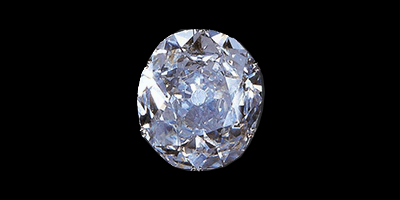
The Koh-i-Noor, Persian for Mountain of Light, is a historic 105.6-carat diamond believed to have originated in India.
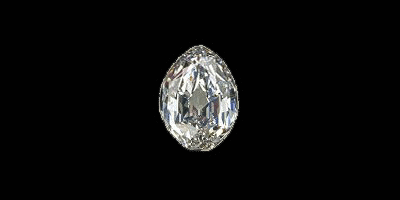
The Mouawad Splendor is a pear-shaped, D-color diamond weighing 101.84 carats and is renowned for its exceptional clarity.
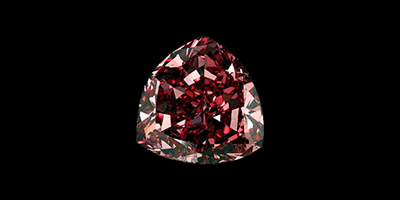
The Moussaieff Red, formerly known as the Red Shield Diamond, weighs 5.11 carats and is one of the world's most famous natural red diamonds.
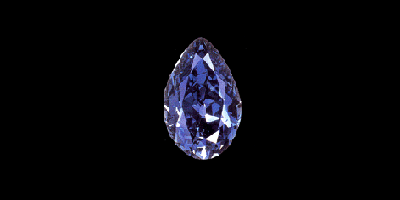
The pear-shaped Tereshenko, also associated with the name Tereshenko Blue, is a rare blue diamond weighing 42.92 carats.
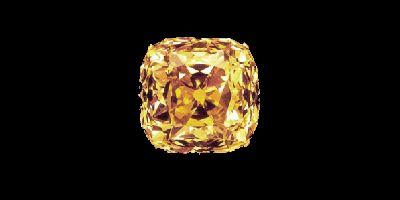
One of the world's most famous yellow diamonds, the Tiffany Diamond is a cushion-shaped brilliant weighing 128.54 carats.
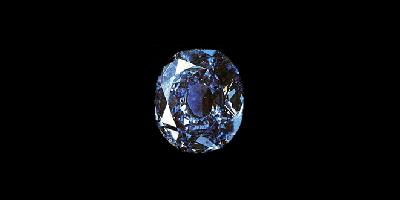
The historic Wittelsbach Diamond originally weighed 35.56 carats and became one of the most celebrated royal blue diamonds in European history.
Famous diamonds become legendary for many different reasons. Some are celebrated for extraordinary size, while others are prized for rare natural color, exceptional clarity, unusual cutting or remarkable gemological characteristics.
Many also have fascinating histories involving royalty, historic discoveries, famous owners, important jewelers, record-setting sales or centuries of documented provenance. In many cases, it is a combination of several of these qualities that has secured a diamond's place in history.
Some famous diamonds are remarkable simply because of their enormous size. Large gem-quality diamonds are exceedingly rare, and stones weighing hundreds of carats can become historic treasures in their own right.
Diamonds such as the Golden Jubilee, Incomparable and De Beers became famous in part because they rank among the largest important polished diamonds ever produced.
Natural fancy-color diamonds are among the rarest gemstones in the world. Blue, pink, green and red diamonds are especially unusual and can become famous even when they are much smaller than the largest colorless diamonds.
The Hope, Wittelsbach, Dresden Green, Graff Pink, Moussaieff Red and Heart of Eternity are celebrated in large part because of their extraordinary natural colors.
Some diamonds achieve fame because they possess an exceptional degree of purity. Diamonds graded Flawless or Internally Flawless are extremely rare, especially when combined with substantial size or an important natural color.
Exceptional clarity can greatly increase both the scientific interest and prestige associated with an already remarkable diamond.
A diamond's history can be just as important as its physical characteristics. Some famous diamonds have documented histories extending back hundreds of years and have passed through royal families, private collections and major jewelry houses.
Their stories often connect them with major historical events, changing empires and generations of celebrated owners.
Royal ownership has played a major role in the fame of many historic diamonds. Gems worn by kings, queens, emperors and royal families often became symbols of wealth, authority and national heritage.
Diamonds such as the Koh-i-Noor, Wittelsbach and Hortensia are inseparably linked with the royal collections and political history of Europe and Asia.
Some diamonds are distinguished by highly unusual cuts, historic cutting styles or exceptional craftsmanship. The cut of a famous diamond can enhance its color, brilliance and visual identity.
In certain cases, the distinctive shape or faceting of a diamond becomes almost as recognizable as the gemstone's name itself.
The circumstances surrounding a diamond's discovery can also contribute to its fame. Some were among the earliest important diamonds discovered in a country or mine, while others emerged from legendary diamond-producing regions.
The Eureka Diamond, for example, became historically important because of its connection with the beginning of South Africa's great diamond discoveries.
Modern auction history has added another dimension to diamond fame. Exceptional stones can attract worldwide attention when they establish record prices or become the centerpiece of important international jewelry auctions.
Record-setting sales can introduce historic diamonds to a new generation and renew interest in their provenance and rarity.
The most famous diamonds are rarely known for only one reason. Their reputation usually comes from a combination of rarity, beauty, history, size, color, craftsmanship and extraordinary ownership.
Together, these characteristics transform exceptional diamonds from valuable gemstones into enduring cultural and historical treasures.